Transform your professional services firm's lead nurturing from manual chaos to automated precision with HubSpot's intelligent workflows and targeted engagement strategies.
Why Manual Lead Nurturing No Longer Works for Professional Services
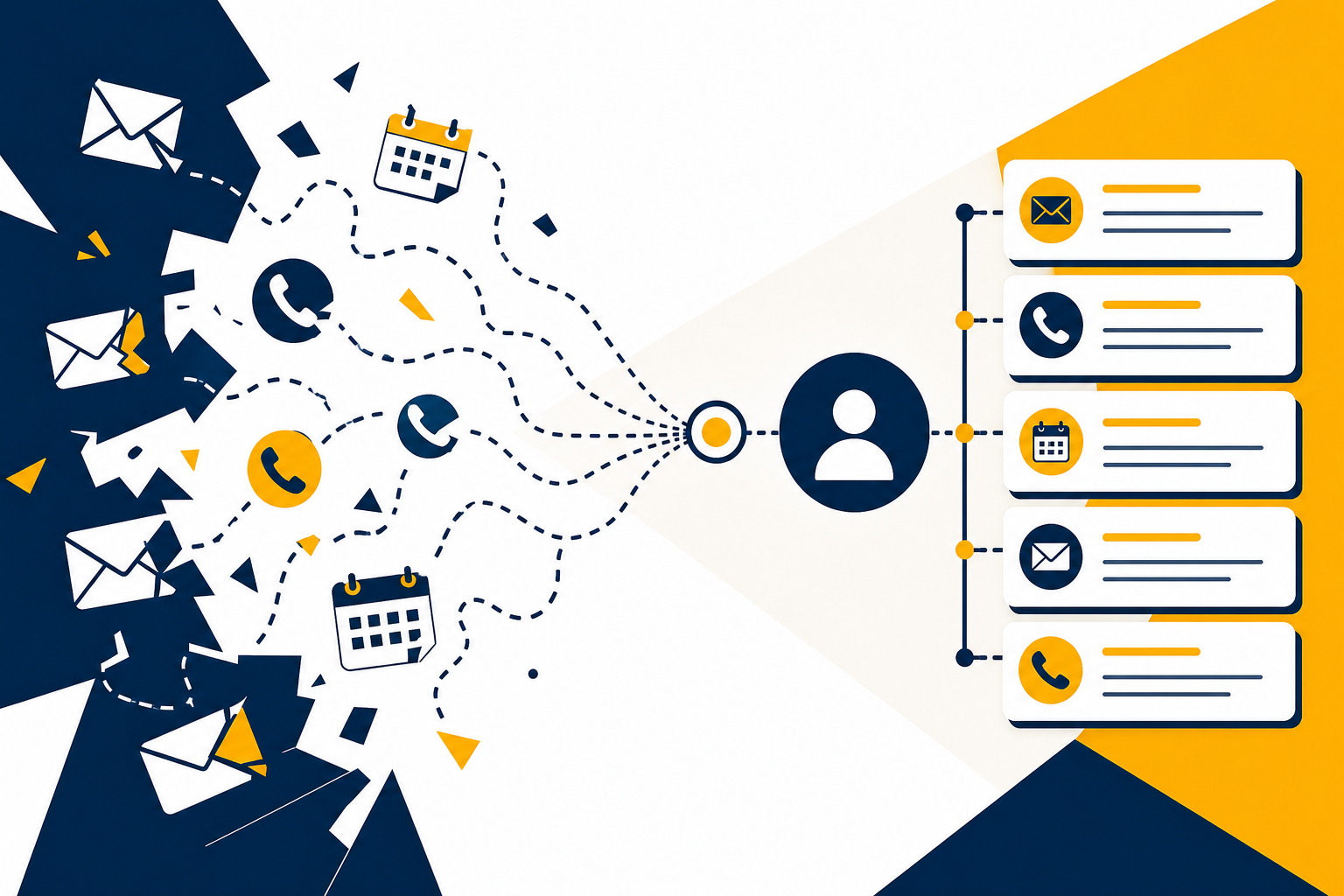
Let's be honest: manually tracking and nurturing leads through spreadsheets and reminder tasks isn't just time-consuming—it's actively costing you opportunities. When your sales team is juggling dozens or hundreds of prospects at various stages of consideration, something inevitably falls through the cracks. That promising lead who downloaded your whitepaper three weeks ago? They've likely already engaged with a competitor who responded faster.
Professional services firms face a unique challenge. Your sales cycles are longer, decision-makers are multiple, and the relationship-building process requires consistent, thoughtful touchpoints. Manual lead nurturing simply can't scale to meet these demands while maintaining the personalized approach your prospects expect. According to research, companies that excel at lead nurturing generate 50% more sales-ready leads at 33% lower cost—but only if the nurturing process is systematic and automated.
The reality is that your team's time is better spent on high-value activities like closing deals and building client relationships, not manually sending follow-up emails or updating contact records. When you rely on manual processes, you're not just inefficient—you're inconsistent. Different team members follow different approaches, leads receive varying levels of attention, and your ability to measure and improve your nurturing effectiveness remains limited at best.
Building Your Foundation with Smart Segmentation and Workflows
Before you can automate effectively, you need to understand who you're nurturing and what they need at each stage of their journey. Smart segmentation in HubSpot starts with mapping your ideal customer profiles and the specific characteristics that indicate buying intent. This means going beyond basic demographics to include behavioural data, engagement patterns, company attributes, and firmographic information that truly matter to your business.
HubSpot's segmentation capabilities allow you to create dynamic lists that automatically update as contacts meet (or stop meeting) your criteria. For a financial services firm, this might mean segmenting by assets under management, regulatory environment, or specific compliance challenges. For a construction company, it could be project size, procurement stage, or geographical location. The key is identifying the attributes that genuinely influence how and when someone buys from you.
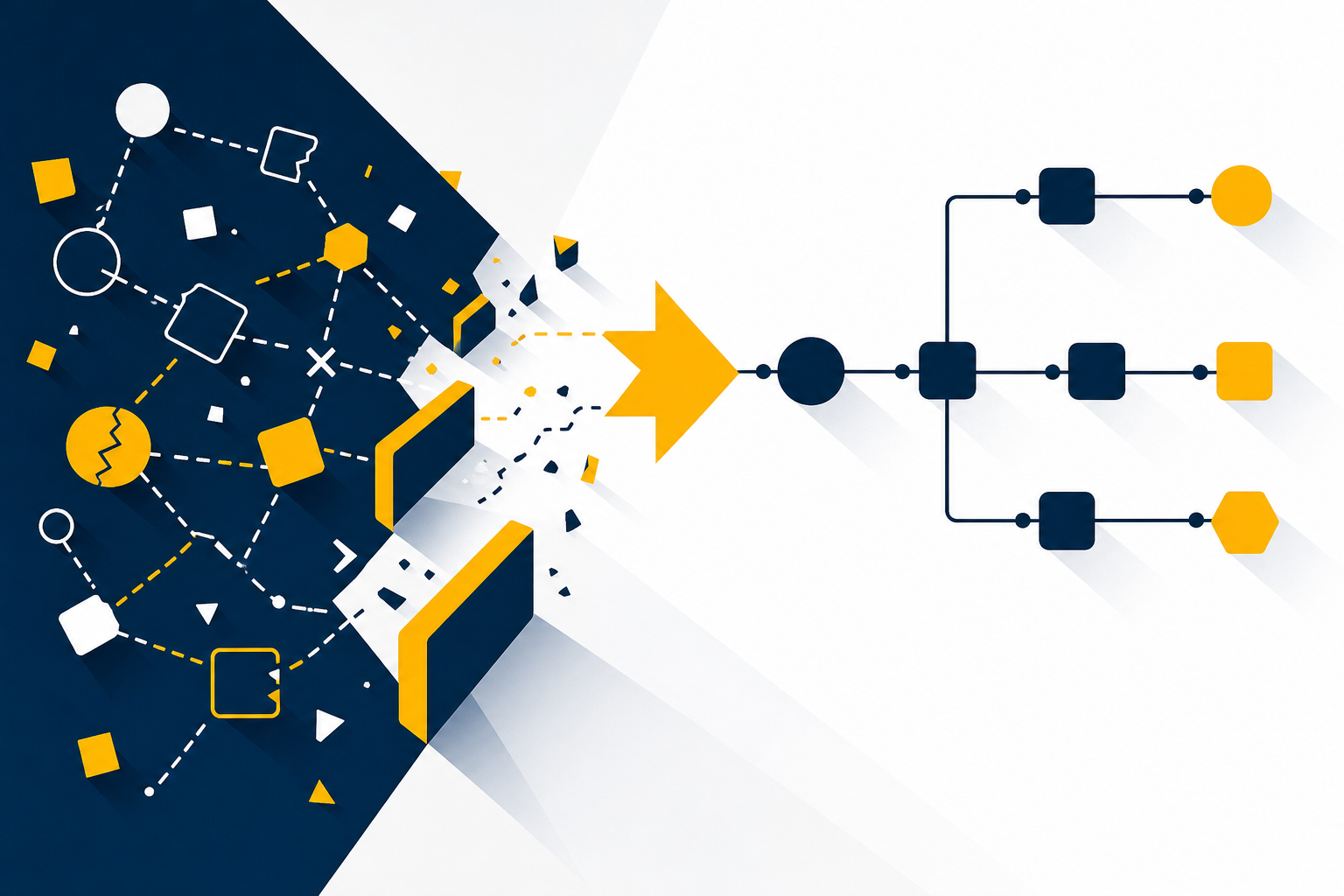
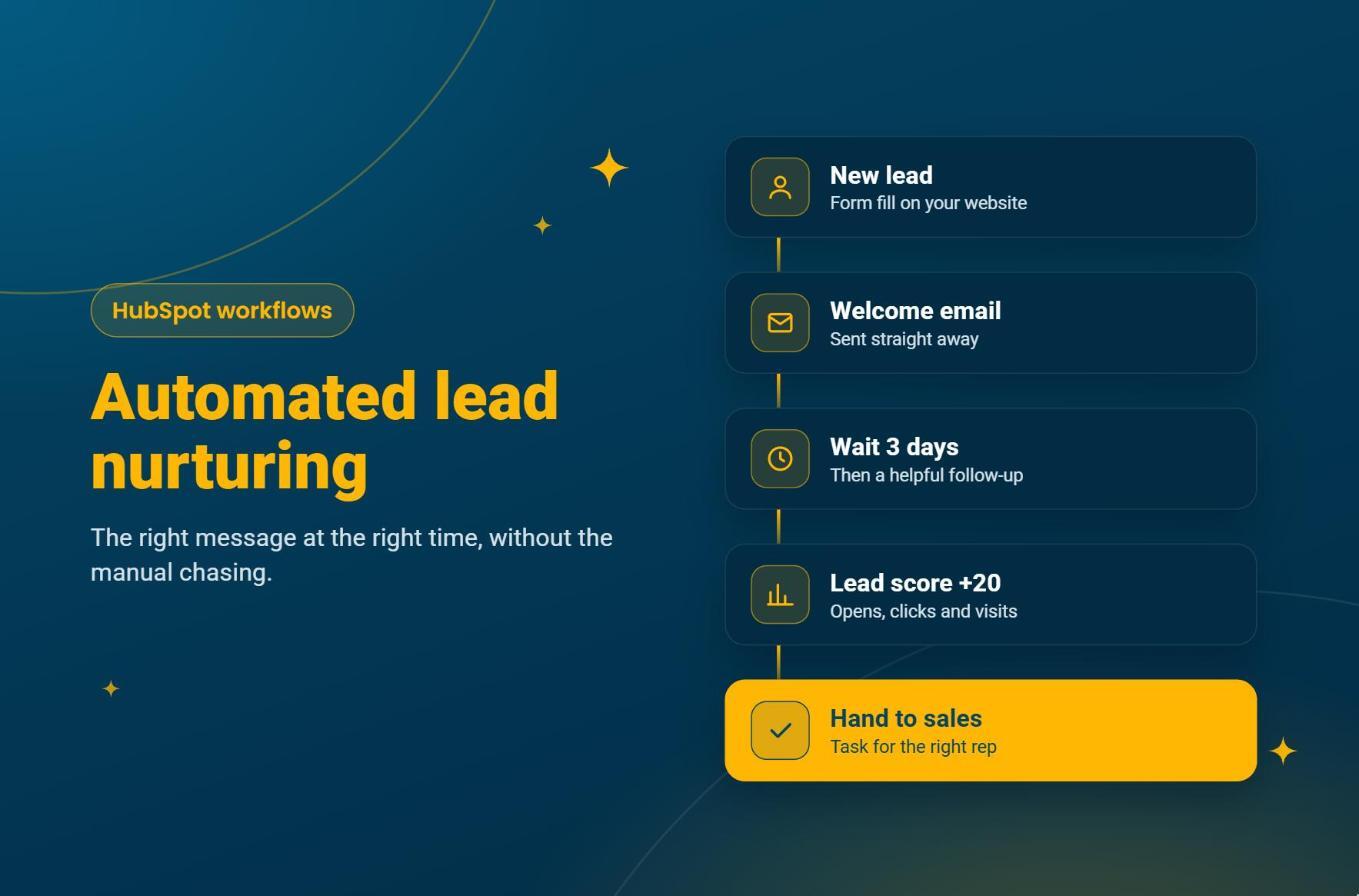
Once your segmentation is in place, workflows become the engine of your automation strategy. Think of workflows as if-then logic that operates 24/7 on your behalf. When a contact downloads a specific resource, they enter a workflow. When they visit your pricing page three times in a week, a different workflow triggers. When they go silent for 30 days, another workflow re-engages them with targeted content. The beauty of HubSpot workflows is their flexibility—you can start simple and layer in complexity as your strategy matures.
Building effective workflows requires thinking through the customer journey from their perspective, not yours. What questions do they have at each stage? What objections need addressing? What information would genuinely help them make a better decision? Your workflows should deliver value at every touchpoint, not just push for a meeting. This approach builds trust and positions your firm as a helpful partner, not just another vendor chasing a sale.
Creating Personalized Email Sequences That Actually Convert
Personalization in automated email sequences goes far beyond inserting a first name token. Truly effective sequences speak to specific challenges, reference relevant behaviours, and adapt based on how recipients engage. HubSpot's personalization tokens allow you to dynamically insert company names, industries, job titles, and dozens of other contact properties—but the real power comes from using this data strategically.
Start by crafting email sequences that tell a story over time. Your first email might acknowledge a specific action they took and offer immediate value related to that action. The second might share a relevant case study from their industry. The third could address a common objection you've identified through conversations with similar prospects. Each email should feel like a natural continuation of an ongoing conversation, not a disconnected series of promotional messages.
The timing and cadence of your sequences matter enormously. Too frequent, and you risk annoying prospects. Too sparse, and they forget about you entirely. For professional services firms, a thoughtful sequence might span 4-6 weeks with 5-7 touchpoints, each spaced 3-7 days apart depending on the stage and urgency. HubSpot allows you to test different timings and identify what resonates best with your specific audience.
Conversion isn't just about getting a meeting booked—it's about moving prospects forward in their decision-making process. Include clear, single calls-to-action in each email that align with where the prospect is in their journey. Early on, this might be downloading an additional resource or watching a brief demo video. Later in the sequence, it becomes attending a workshop or scheduling a consultation. Track which CTAs generate engagement and refine your approach accordingly. The data HubSpot provides on open rates, click-through rates, and conversion events gives you everything you need to continuously improve your sequences.
Using Lead Scoring and Behavioral Triggers to Prioritize Opportunities
Not all leads are created equal, and your sales team's time is finite. Lead scoring in HubSpot allows you to assign point values to both demographic attributes and behavioural signals, creating a composite score that indicates how sales-ready each lead truly is. This eliminates guesswork and ensures your team focuses their energy where it's most likely to generate results.
Effective lead scoring models typically combine explicit data (job title, company size, industry, budget authority) with implicit data (email engagement, website visits, content downloads, social media interactions). A Managing Director at a mid-sized healthcare company who has visited your pricing page, downloaded two case studies, and attended a webinar deserves immediate attention. Someone with a generic email address who bounced after viewing one blog post probably doesn't—at least not yet.
The real power emerges when you connect lead scoring to automated actions. When a lead reaches a threshold score—say, 75 points—HubSpot can automatically notify the appropriate salesperson, add the contact to a high-priority list, or trigger a workflow that fast-tracks them toward a sales conversation. This ensures hot leads receive immediate follow-up while cooler prospects continue receiving nurturing communications until they're ready.
Behavioral triggers extend beyond scoring to enable real-time responsiveness. When a lead exhibits high-intent behaviour—like requesting a demo, visiting your pricing page multiple times in a short period, or engaging with competitive comparison content—HubSpot can trigger immediate, contextually relevant actions. This might be a personalized email from a specific team member, a notification to your sales team to reach out, or enrollment in an accelerated sequence designed for high-intent prospects. These triggers create the feeling of personalized, attentive service even though the process is automated.
Remember that lead scoring isn't a set-it-and-forget-it exercise. Regularly review which scored attributes actually correlate with closed deals. You might discover that certain content downloads are stronger intent signals than you thought, or that contacts from specific industries convert at higher rates. HubSpot's reporting capabilities make it straightforward to analyze scoring effectiveness and refine your model based on real outcomes, not assumptions.
Measuring and Optimizing Your Automated Nurturing Performance
Automation without measurement is just elaborate guesswork. The advantage of HubSpot automation is that every action, interaction, and outcome is tracked, giving you unprecedented visibility into what's working and what needs adjustment. Start by establishing clear metrics that align with your business objectives: email engagement rates, conversion rates from nurturing to sales-qualified, velocity through your pipeline, and ultimately, closed revenue influenced by automated nurturing.
HubSpot's attribution reporting shows you which nurturing touchpoints contribute most significantly to closed deals. You might discover that contacts who engage with a specific email sequence are 3x more likely to convert, or that leads who attend a particular webinar have significantly shorter sales cycles. These insights allow you to double down on high-performing elements and rework or eliminate underperforming ones.
A/B testing should become a constant practice in your nurturing strategy. Test subject lines, email copy, calls-to-action, sending times, and sequence structures. Even small improvements compound over time—a 2% increase in email open rates might seem minor, but across thousands of contacts over months, it translates to dozens of additional sales conversations. HubSpot's built-in A/B testing capabilities make experimentation straightforward and results easy to interpret.
Look beyond individual email metrics to understand the holistic journey. HubSpot's funnel reports show you where prospects are progressing smoothly and where they're getting stuck. If you notice significant drop-off after the third email in a sequence, that's a clear signal to examine and refine that touchpoint. If leads who engage with video content convert at higher rates, consider how to incorporate more video throughout your nurturing process.
Optimization is an ongoing commitment, not a one-time project. Schedule quarterly reviews of your automated nurturing performance with key stakeholders from marketing and sales. Discuss what's working, what challenges you're seeing, and where opportunities exist to improve. The firms that extract the most value from HubSpot automation are those that treat it as a living system requiring continuous refinement, not a static set of campaigns. With consistent measurement, thoughtful analysis, and willingness to iterate, your automated nurturing becomes progressively more effective over time, generating more qualified leads while requiring less manual effort from your team.
Planning a HubSpot build?
Choose a pack, add what you need and see your fixed price in two minutes.